
Tesla Model Y: Dimensions
Exterior Dimensions
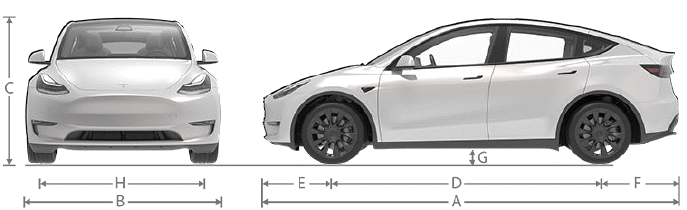
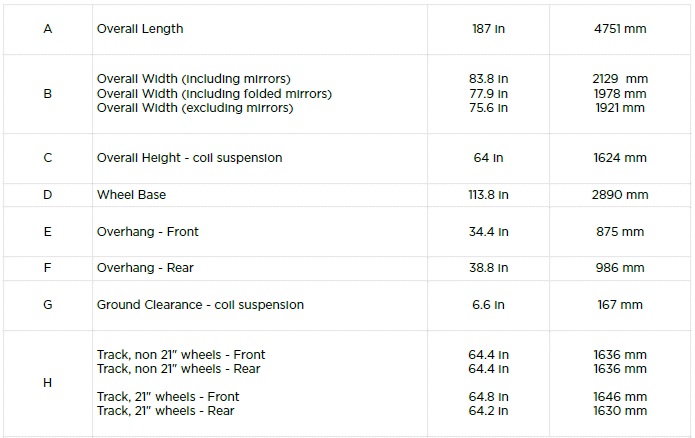
*Values are approximate. Dimensions can vary depending on a vehicle's options and various other factors.
CAUTION: Depending on configuration (such as wheel selection), your vehicle's liftgate can open up to approximately 7.5 feet (2.3 meters) high. See Adjusting Liftgate Opening Height to adjust the liftgate height and prevent it from coming into contact with low ceilings or other objects.
Interior Dimensions
Model Y with 5 Seats:
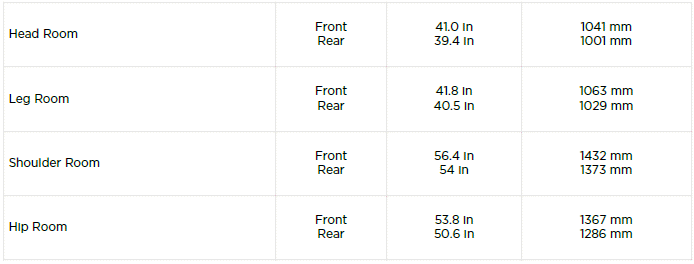
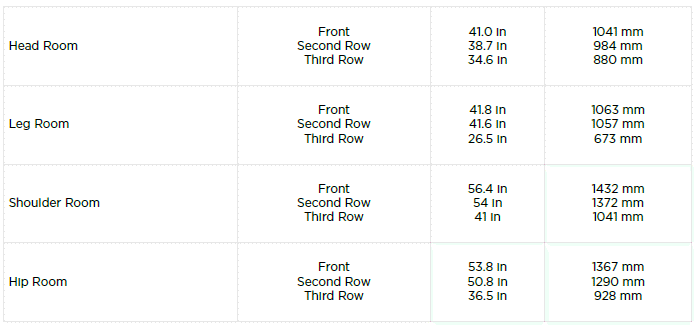
Model Y with 7 Seats:
Cargo Volume
Model Y with 5 Seats:

Model Y with 7 Seats:


Motor Type(s)
Rear motor: AC permanent magnet synchronous motor, liquid-cooled, with variable frequency drive.
Front motor (AWD vehicles): AC induction motor, liquid-cooled, with variable frequency drive.
Transmission

Steering

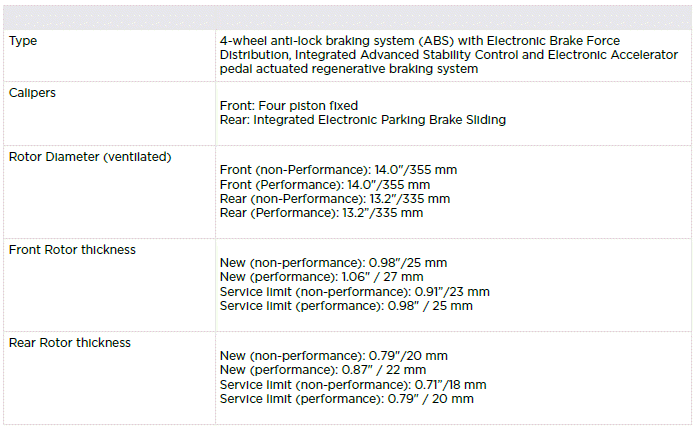
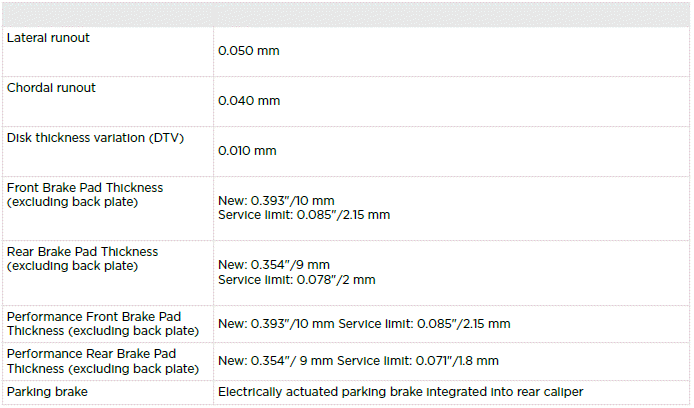
Brakes
Suspension

Battery - Low Voltage

Battery - High Voltage

READ NEXT:
 Wheels/Tires Specifications
Wheel Specifications (Factory)
NOTE: For instructions on how to jack/lift Model Y, see Jacking and
Lifting.
Tire Specifications (Factory)
Tire pressures vary depending on the type of tires fitted
Understanding Tire Markings
Laws require tire manufacturers to place standardized information on the
sidewall of all tires. This information
identifies and describes the fundamental characteristics of the tire. It also
provid
SEE MORE:
Standby Mode
To keep Model Y ready to Summon and reduce the time
it takes to warm up, turn on Standby Mode. Touch
Controls > Autopilot > Standby Mode. When Standby
Mode is turned on, you can conserve Battery energy by
disabling Standby Mode at these locations:
Exclude Home - Disables Standby Mode at
HOLD State
When following a vehicle, Traffic-Aware Cruise Control
remains active at low speeds, even when Model Y comes
to a full stop. When the vehicle is moving again, Traffic-
Aware Cruise Control resumes operating at the set
speed. However, under the following circumstances,
Traffic-Aware Cruise Contro
